Europe takes batteries into space every time it launches a rocket with a payload. The rocket’s primary source of energy may well be fossil fuel, but it carries a precious cargo of electrical energy. This stored electrical power ensures the instruments in the payload stay active, and the mission is a success. Where would we be without our world of batteries?
European Batteries Team With the Sun in Space
Most European satellites rely on the sun to keep recharging their batteries. But first those batteries must open their solar panel arrays, so the sun’s energy can flood through.
However, the batteries also have another ongoing purpose. Just as an auto starter battery recharges itself after starting the engine, so too should a satellite battery replenish its energy.
The battery must be ready and prepared to take over, when the earth casts it shadow over the sun. That way, the instruments will keep working, and there is enough energy for an emergency maneuver out there.
Batteries are indispensable for deep space exploration too. They have to be incredibly small, perhaps even be nuclear batteries. Every time Europe takes batteries into space, this feeds back into battery science on earth.
Batteries Are Flying Solo in Satellites and Probes
So far, so good, but solar panels are impractical on some space missions, according to European Space Agency. When those circumstances come into play, then space vehicles have to rely on batteries as their sole source of power.
When the agency’s Huygens probe landed on Saturn’s moon Titan, it relied entirely on non-rechargeable lithium sulphur dioxide batteries. The European Space Agency chose this chemistry, because they knew the batteries would still hold sufficient energy after the seven-year journey.
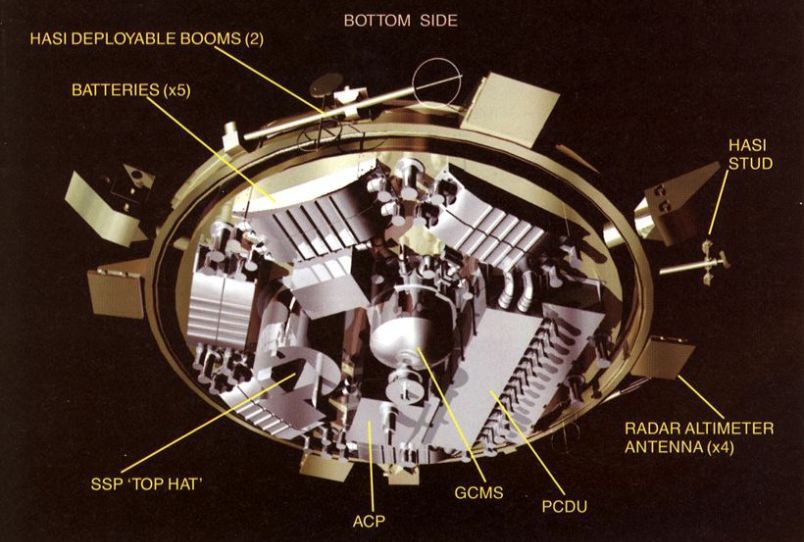
Batteries continue to be among the most mission-critical spacecraft components. Every time Europe takes batteries into space, we should acknowledge the remarkable miracle of the electrochemistry that powers them.
More Information
International Space Station Batteries Return