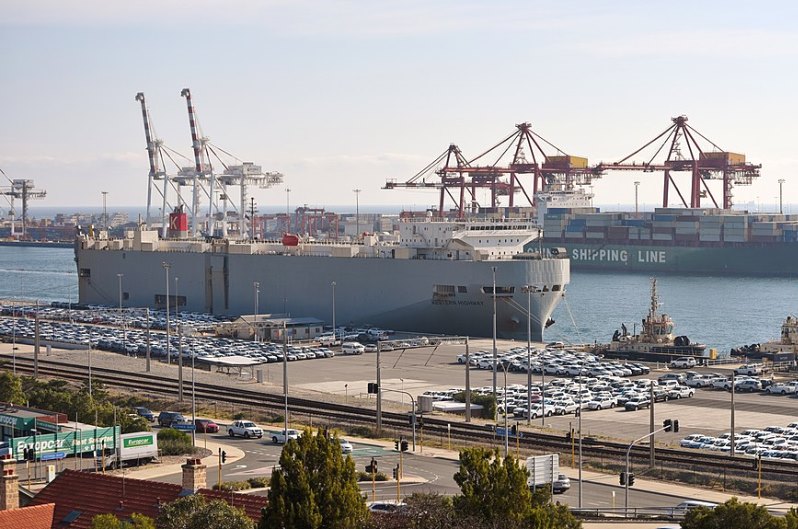
Most everybody knows of the car carrier that caught alight off the north coast of Netherlands on July 26, 2023. By all accounts, the cars on board the Fremantle Highway vessel were packed tightly, and the heat was intense. Today we review the available information, and conclude this matter requires proactive attention.
What Caused the Fire Aboard the Fremantle Highway?
Marine Traffic reports the car carrier entered service in 2013, with gross weight of 59,525 tons, and 650 feet long. International broadcaster Deutsche Welle advises ‘conditions have subsided’ sufficiently to tow the vessel away from busy shipping lanes for salvage. However, several questions remain unanswered at the time of writing.
But the most critical mystery of all remains the origin of the fire. Sure, there is no doubt that both electric, and conventional combustion cars burned in the blaze. There were some 3,800 of them in total, of which around 500 had lithium-ion batteries. The fire could have jumped between decks in the spreading blaze aboard the Fremantle Highway car carrier.
Therefore, we will probably never know which car caught alight first. Deutsche Welle describes the immense heat burning lithium gives off, and how non-extinguishable those fires are without special chemicals. One member of the crew died, many others suffered serious injuries trying to escape. We are left wondering how to prevent this happening again.
What Consequences Should Follow to Prevent Repetition?
Reuter’s says there were 209 reported ship fires in 2022, the greatest number in a decade. Thirteen of these were on car carriers, although the number involving lithium-ion batteries is not clear. However, the news channel does cite a European Maritime Safety Agency March 2023 report. This claims lithium-ion batteries played a role in a number of those cargo fire incidents aboard ship.
We cannot cease shipping lithium-ion batteries until we have a viable alternative available. Using them is a very slight, calculated risk many consumers take. Some shipping companies may need to update their fire suppression systems. Meanwhile, we will keep on manufacturing deep cycle lead batteries in Canada, with an aqueous electrolyte that cannot catch fire.
More Information
New EU Rules – Battery Industry Feedback