If you would like to know how your main electric car battery works, then we have good news for you. That’s because it works the same way as all the other batteries in your life. If you are still none the wiser we’ll explain the basics in this post. The principles are simple, like most things are when we get our mind around them.
Working Principles of Main Electric Car Batteries
Your main battery supplies electrical energy to the motors powering the wheels. There’s also a secondary battery powering ancillary equipment like door locks, climate control, car computer, and so on. But we’ll write about that in a later post.
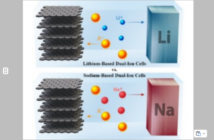
Your EV is likely to have a lithium-ion (Li-ion) battery, containing a number of individual battery cells. Each of these incorporates microscopic lithium ions with net electrical charge. These shuttle between the two sides of the cells identifiable from the terminals.
The ions move between the cathodes and the anodes during the rhythm of discharging and recharging. However, some of these ions become lost each time. This gradually reduces the amount of power the battery cells can store, in a process called degradation.
How to Make Your EV Battery Last Longer
It is therefore a false economy to recharge an electric vehicle more often than is necessary. It is also unwise to allow a battery to fully recharge, or fully discharge. The sweet spot is keeping the battery level between 20% and 80%. Anything outside these limits will weaken the battery during extended periods.
The optimum position is around 50%. By all means fully recharge, and almost discharge your electric vehicle battery when circumstances dictate. However, you will not do yourself or the battery a favor if you make a habit of this.
Breaking News
A Sand Battery to Keep Your Toes Warm