The Owen Magnetic had an electric-series-hybrid-drivetrain that eliminated the need for a heavy, bulky, expensive gearbox. It was an early pioneer down the road to reduce the energy costs associated with manual and automatic gear changing. The technology involved replacing those mechanicals with a generator and a traction motor.
How When and Where Did the Owen Magnetic Appear?
The Owen auto used an electromagnetic transmission system that American electrical engineer Justus Entz invented in the 1890’s. He was working at the Electric Storage Battery Company producing electric cabs in Philadelphia, Pennsylvania at the time. His prototype vehicle was destroyed by a fire, but the concept was good and so he patented it.
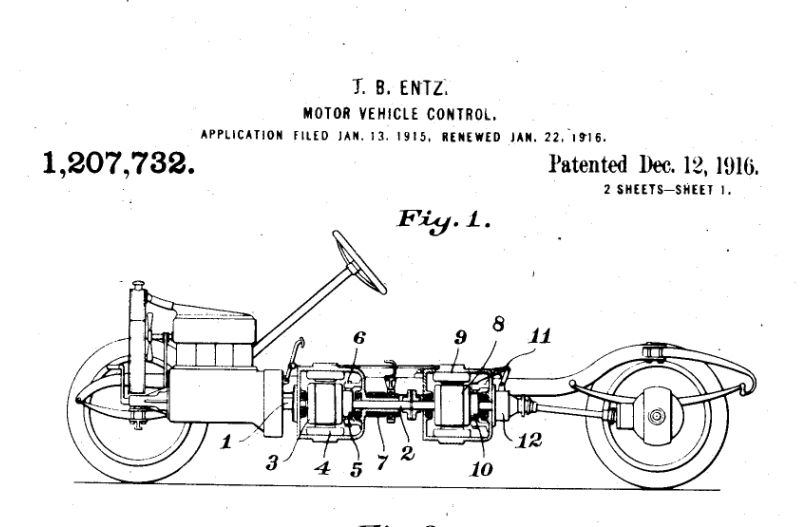
Entz convinced luxury auto manufacturers Raymond Owen and his brother Ralph to take his idea further. The net result was a contemporary dream-auto they called ‘The Car of a Thousand Speeds’. That Owen Magnetic brand said it all! A powerful six-cylinder, 374 cubic-inch gasoline motor, with smooth, linear acceleration and fingertip control.
The hybrid auto with electric-series-hybrid-drivetrain attracted the attention of America’s rich and famous. Especially after the likes of Italian opera singer Enrico Caruso, and Papal Count tenor John McCormack were seen driving them. The 1916 sport tourer had a price tag of $6,000. However, by 1920 the company was in receivership and another proud brand was gone.
Was This Technology a Flash in the Pan?
No not at all. The principle Justus Entz explored is common practice in diesel-electric locomotives, and commercial marine shipping. Here’s how process worked in the Owen Magnetic auto:
- The gasoline motor did not connect mechanically to the drive-train via a flywheel.
- Instead, a generator and horseshoe-shaped magnet attached to the crank shaft end.
- The generator transmitted electrical energy through wires to the armature of an electric motor.
- That motor supplied the energy to turn the driveshaft and rotate the rear wheels.
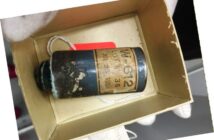
There was also a sophisticated 24-volt battery, according to Henmings.Com. This provided supplementary power to the starter motor and lights. Although it was also capable of driving the auto at low speed on the electric motor alone, just in case the gasoline power failed.
More Information
Early Hybrid Electric Cars In Context
Woods Dual Power Hybrid Electric Car
Preview Image: Owen Magnetic at Crawford Museum
Video Share Link: https://youtu.be/joRFn1JkISc