Scientists at Penn State University’s Department of Engineering, have been packing more energy into batteries. Well, in their laboratory actually, but who knows where their work might lead. Their forward-thinking initiative involves larger, thicker electrodes holding more energy. This is an interesting development, given the trend towards lighter, thinner electrodes.
Packing More Energy Into The ‘Veins’ of Batteries
Electrodes are the veins of batteries, according to the media release we link to below. This is because electrodes have the job of harnessing the life blood of batteries, which is electricity. Battery performance hinges largely on how well electrodes function.
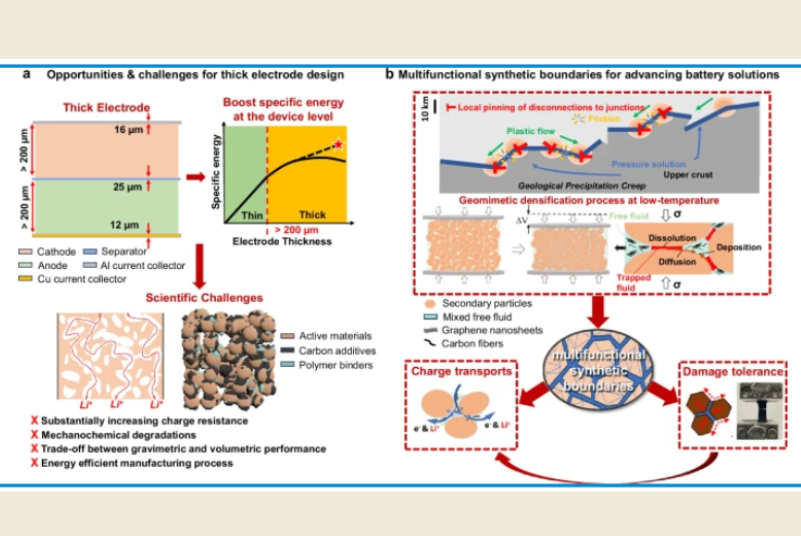
The team at Penn State University recently developed novel electrodes that are energy denser and thicker. These electrodes have greatly improved electricity storage capacity. They are also more robust, and more able to resist degradation during regular use.
Those benefits, the media release continues, “overcome the drawbacks typically associated with increasing an electrode’s density and thickness”. In a nut-shell, thicker electrodes pack more energy into batteries. Done correctly, this could more than compensate for a battery’s increased size and weight.
The Key to Batteries Is Increasing the Active Material
The key to batteries is increasing the amount of active material, says Hongtao Sun, assistant professor of industrial and manufacturing engineering, and study author. “Traditionally, active material makes up only 30% to 50% of commercial battery cells,” he continues.
“By simply making the electrode thicker, we can increase the overall amount of active material, and boost the total energy of the battery.” In summary then, this involves making the electrode material highly porous, so there is 40% more space for the charges to arrive and depart.
This modification delivered a potential energy density exceeding 500 watt-hours per kilogram at cell level, under laboratory conditions. Commercializing the idea could allow electric vehicles to achieve much greater driving range per charge.
More Information
Graphene Slurry for Coating Battery Electrodes
Polymer Electrode for Water-Based Batteries
Preview Image: Opportunities Challenges and Solutions