We can’t begin to imagine the sheer volume of personal devices containing batteries. Every one of these devices contains one or more electrochemical cells, multiplying the number further. Masses of them still end up in landfill sites, but that could change if we started recycling materials from hidden batteries.
Recycling Materials From Hidden Batteries
We have heard of a new machine that recycles devices and their batteries simultaneously, by shredding and then separating their materials. We have no association with them, but we are excited by the concept.
You see, if we do not start recycling these hidden batteries and devices, then these four unfortunate events will continue:
- We will keep extracting scarce materials from the environment, until we run out of them.
- We will continue polluting our world and our atmosphere, causing irreparable damage.
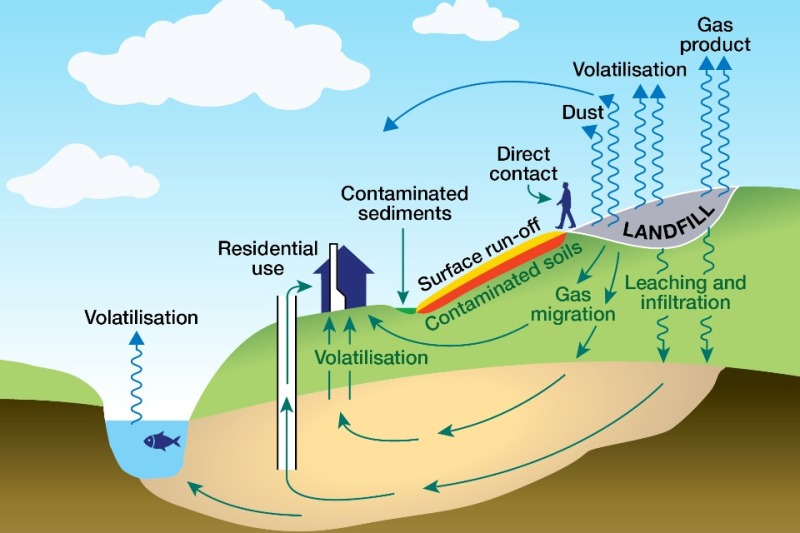
- The batteries and personal devices in landfill sites, will leach their materials into our water tables.
- We will continue damaging our fragile environment, and negatively affect our future generations’ lifestyles.
The way out of this impasse should be obvious. We have to start recycling materials from hidden batteries before they end up in landfills.
Why Should We Fuss About Rotting Batteries in Landfills?
Batteries contain toxic heavy metals, and chemicals that can leach into the soil by penetrating it, and enter underground water tables. This contamination can reach our rivers and eventually our oceans.
This unstoppable process will contaminate our soil and seawater, and affect the plants, animals, and fish that we eat. Taking these batteries and devices to recycling sites, is the only way we know to prevent further damage to our environment.
Recycling materials from hidden batteries in devices, enables skilled technicians to recover their toxic heavy metals and chemicals for reuse.
This helps mitigate the environmental impact of mining fresh supplies. And protects our water tables from battery pollution, and sends less greenhouse gases into our atmosphere, the only one we have.
More Information
40% of Nasty Landfill Chemicals from Batteries