Scientists at Edith Cowan University in Perth, Australia, have mapped a way forward towards sustainable lithium batteries. They recommend a concerted drive to recycle spent units, even though Australia has impressive reserves of lithium-bearing spodumene mineral. We report on their study, because batteries containing lithium play such a major role in the battery industry.
Using Lithium Batteries Sustainably a Second Time
Mining spodumene from earth’s crust, and extracting the lithium, are energy intensive and environmentally expensive. We reduce this impact when we reuse what we already have, and support a circular economy too. We also preserve our raw lithium metal reserves for an uncertain future going forward.

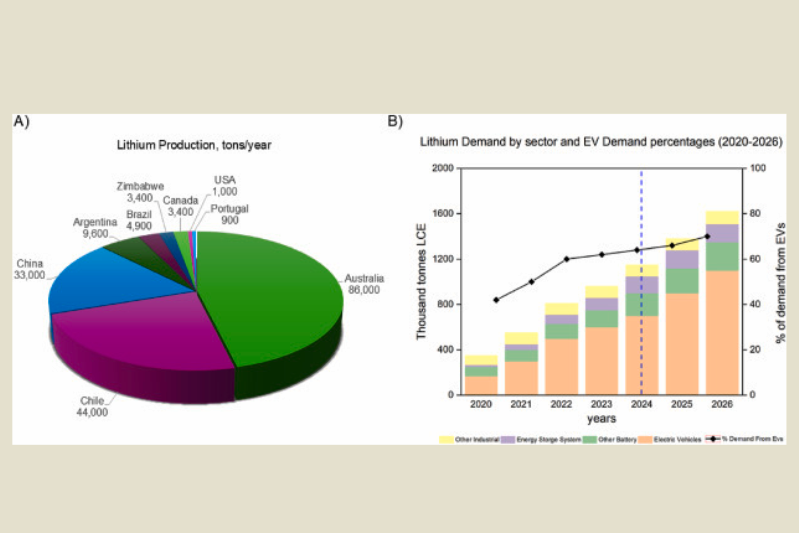
Predictions indicate our world will produce 1,600 kilotons of lithium-ion batteries in 2026. A large amount of these will be electric car batteries. However, these will still retain around 80% of their energy storage capacity when they are ‘spent’. It makes no sense at all for this valuable asset to end up as landfill …
It makes sense to tackle the growing burden of spent lithium-ion batteries in two ways. In the first instance, we should repurpose spent electric vehicle batteries for other energy storage uses. While in the second, we should recover the lithium, nickel and cobalt from the remainder, in a drive towards sustainable lithium batteries.
The Sustainable Benefits of Recycling What We Have
The Edith Cowan University team don’t expect recycling will impact significantly on the lithium extraction and downstream sectors, for a while. Although they insist we should start now, because of many other net benefits.

There will be less soil contamination when we recycle, while the ecological, water, and carbon footprints will also reduce. Fewer harmful chemicals will release into the environment. Greenhouse gases will reduce too, and there will be less waste.
Edith Cowan University is currently exploring a second exciting option, as electrification of mines gains momentum. “The mining industry actually offers another source of retired and potentially end-of-life batteries,” they explain. That sounds like another potential winner for the circular economy …
More Information
Safer Recycling of Lithium-Ion Batteries
More Critical Minerals From Recycling Batteries
Preview Image: Global Lithium Supply and Demand