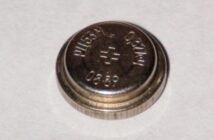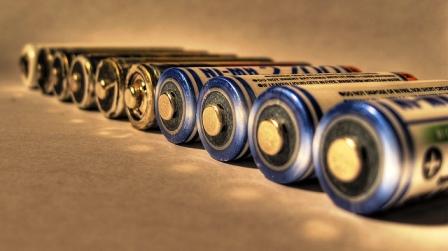
A battery stores electricity using an anode and a cathode electrode, an electrolyte, and an external source of electricity to charge it. When Galvani touched the legs of a dead frog with two different types of metal, he caused the legs to jerk. He thought he had discovered electricity back in the 1780’s. What he had found was the frog’s body acted as an electrolyte allowing the ions to travel. However, the application that followed hardly astounded the battery world.
Lead-Acid Batteries Enter the Battery World in 1859
Volta tried to make a proper battery in 1800 using Galvani’s discovery. The result was a leaky one that did not last for long and could not recharge. Planté invented the first rechargeable lead-acid battery in 1859 after nothing major happened for 58 years. His simple idea proved practical, and changed the battery world forever.
Lithium Makes its Stormy Appearance in 1985
Rechargeable lead batteries proved popular where their bulk and weight were not a concern. However, as science entered the electronic era. researchers realized they needed something lighter, and more compact.
Yoshino of Sony Corporation came to the party with a lithium-ion battery in 1965. Finally, the battery world had the combination it needed.
How Lithium Changed the World of Personal Electronics
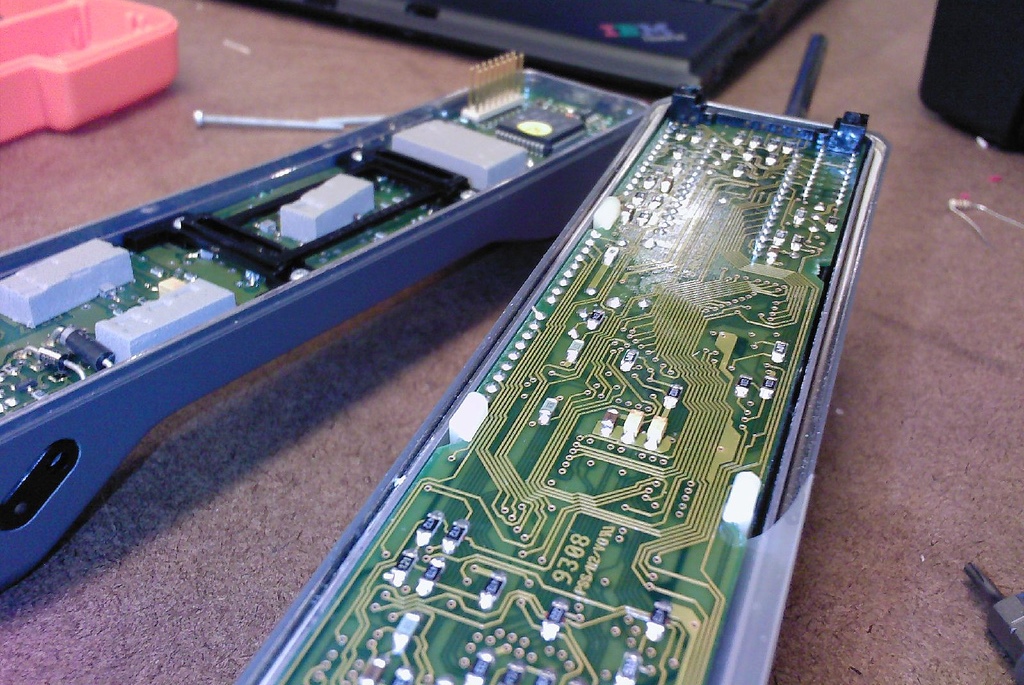
About the best we had prior to lithium batteries were self-winding watches, transistor radios, and electric alarm clocks. At first, lithium proved to be an irritable beast with a temper. However after they nailed it down, Motorola had what it needed to launch the first mobile phone in 1985.
The DynaTAC 8000x weighed just on 2 pounds and had a talk tine of 30 minutes. Consumers called it ‘the brick’ because if you dropped it on your foot, ouch! It hurt.
Major Developments in the Battery World Since Then
Nonetheless, the lithium battery world had arrived, and it was here to stay. Scientists made the product progressively smaller. As they did, opportunities developed for the personal devices we take for granted today. In the background, lead-acid batteries have continued largely unchanged, providing the sterling service that keeps them in demand right around the world.
Nowadays, of course, the fight is on regarding which design will provide the winner for renewable grid storage. Which do you think will prove the answer? Volta’s lead-acid invention, or Yoshino’s lithium inspiration?
Related
John Goodenough for Lithium Battery Technology
New Eco-Village Using Lead-Acid Storage
Preview Image: Roll of Batteries