Solar energy has rapidly emerged as a workaround for power outages, and becomes an income when we have energy to spare. Having solar energy storage available with batteries acts as a buffer during temporary blackouts due to storms. Meanwhile this storage also increases our renewable energy footprint, which is a smart thing to do.
Batteries At The Heart of Solar Energy Storage
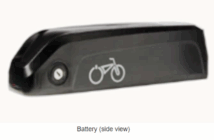
Solar panels produce a flow of electrical energy but they can’t store it. Battery energy storage systems are like a catchment dam that enables you to store surplus capacity for later. There are three neat things you can do with this reserve:
- Keep the stored reserve in the background if there is a storm on the way.
- Sell the stored energy to the utility for a credit on your electricity account.
- Use the reserved energy yourself at night, and save on your electricity bill.
However, your solar energy storage system could not deliver these benefits without the inverter that forms part of it. This is because solar panels and batteries work with direct current (DC) power. Whereas your home and your utility work on alternating current (AC) power.
Solar Energy Conversion Brings Things Together
Direct-Current-Coupled Storage
Direct-current-coupled storage is the most efficient way to ‘bank’ your solar energy in your batteries. This is because both solar panels and batteries work on direct current. However, you will still need an inverter to turn this to alternating current so you can use it.
Alternating-Current-Coupled Storage
Home owners and businesses who originally used their solar energy online, will already have a DC to AC inverter. However, if they add solar energy storage to their mix, they will need a second inverter to store the energy in the batteries. This should work smoothly with the extra device in place.
More Information
AC or DC Coupling Solar Batteries