We were scrolling through Wikipedia when we stumbled over an orphan page with sketchy details about a sulfur selenium battery. ‘Orphan’ means the topic has no cross references within the encyclopedia’s system. When we discovered this is a lithium rechargeable battery with 500 watt-hour density but 40% lighter, our curiosity was on fire! We simply had to know more.
Where Does the Sulfur Selenium Battery Come From?
The cathode is a selenium-sulfur composition, while the anode is lithium metal. Selenium is a non-metal chemical / metalloid element appearing in sulfide ores, where it partially replaces sulfur.
NASA included selenium in its ongoing research for smaller, lighter, and more energy-intense batteries, and we believe patented the design. The NASA prototype layers individual cells together in a similar manner to lead-acid batteries.
However, here the similarity ends because the solid electrolyte does away with the need for a casing. And this in turn results in a smaller and lighter cooling system. The sulfur selenium battery operates at much higher temperatures compared to lithium-ion batteries, and is less affected by pressure changes.
The NASA Project Links Across to Electric Flight
Clean Technica links the new battery to NASA’s ongoing research into electric power flight. Achieving this could do away with gasoline-based fuel, and contribute to decarbonizing transport. An investigator at NASA’s Glenn Research Center summarizes the state of play as follows:
- A battery is like a bucket storing energy. More energy storage is like having a large bucket.
- NASA’s sulfur selenium battery stores double the amount of energy to lithium-ion batteries.
- Moreover the bucket can empty rapidly, when needed to power an aircraft taking off.
Lighter weight, and less response to changing atmospheric pressure make the product even more suitable for aircraft. On the downside the batteries will be expensive. But these are early days yet, so we should not write them off.
More Information
Sourcing Future Batteries – Things to Ponder
Storing and Harvesting Electricity in the Air
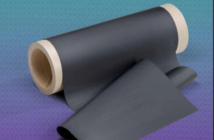
Preview Image: Lithium-Sulfur/Selenium Battery