Electric car batteries are far from perfect, says Roland Moore-Coyler in Car Magazine. They take too long to charge, and being mainly lithium have safety risks especially while fast charging. Today we consider super capacitors waiting for their day. What are they, and why should we take them seriously for powering electric cars?
Super Capacitors Waiting for Us to Appreciate Them
Super capacitors already play a role in hybrid cars with regenerative braking systems. They have greater power density than chemical batteries and are able to receive and discharge energy quickly. That’s because they store energy in a ‘static state’ rather than ‘locked up in chemicals,’ Roland Moore-Coyler explains.
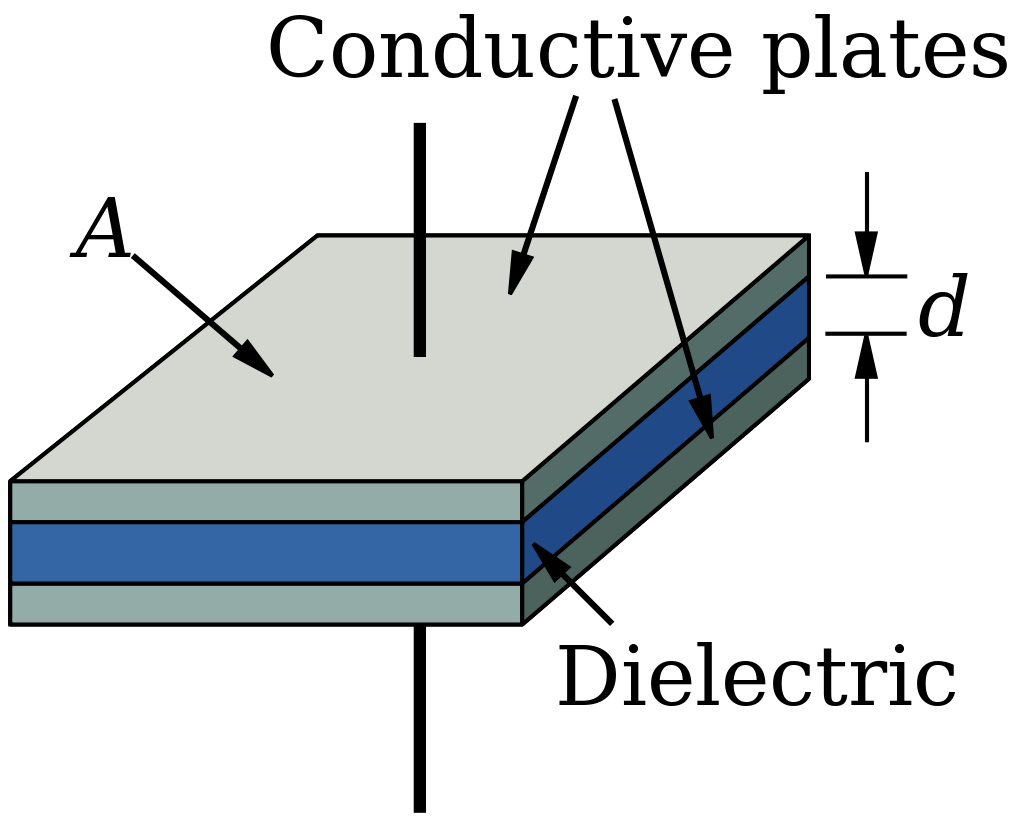
Simple capacitors have two electrodes with a separating dielectric insulator between them. These generate an electric current when an electric circuit connects the positive and negative ones. That’s the most significant difference between capacitors and lithium batteries that are arguably a stop gap solution.
A Super Capacitor is a Larger Version of the Same Thing
Supercapacitors by contrast have larger electrode plates holding greater charge. Moreover, these plates are soaked in electrolyte and have a very thin membrane separator between them. The atoms in the anion and cation electrodes become polarized negative and positive respectively when a charge passes through them.
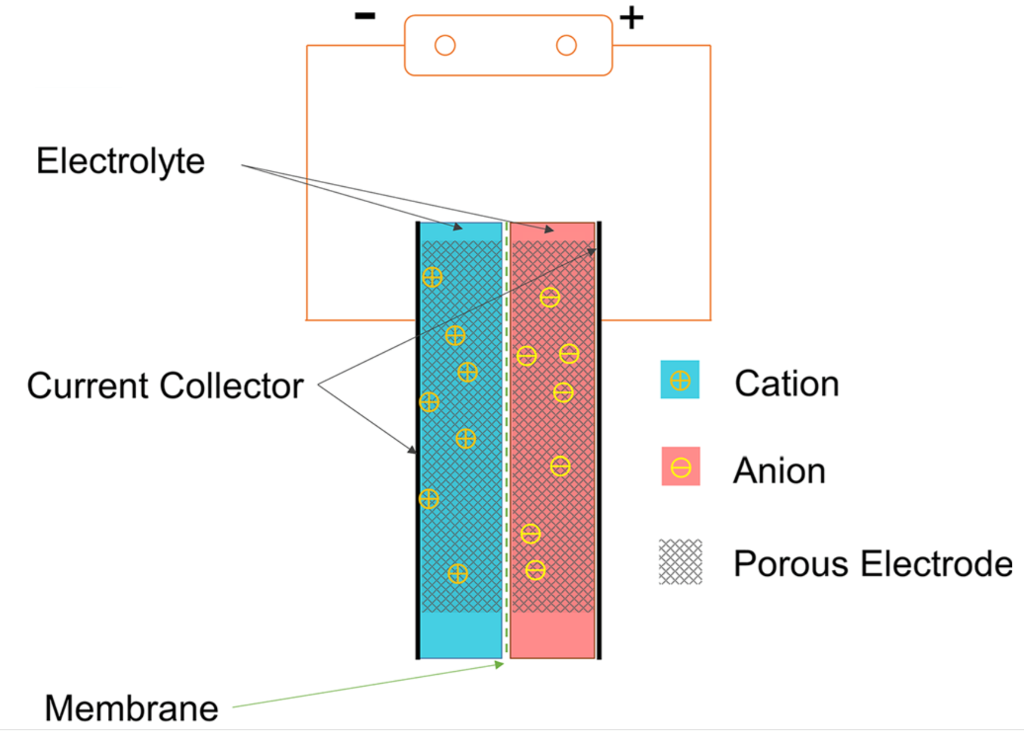
They then attract electrons of the opposite polarity in the electrolyte. This double electric layer enables them to store more energy than plain capacitors. So what are these super capacitors waiting for? Why are we not using them in electric cars? The answer is, unfortunately, super capacitors are not ready yet. They can absorb and release energy faster than lithium-ion, but they don’t have sufficient density in their present form.
We shall have to wait a while longer before super capacitors have adequate capacity. Then they can achieve their rightful role in electric vehicles and perhaps even unseat batteries. We are getting closer but capacitor scientists still have more work to do.
Related
Supercapacitors and Batteries Head to Head
A Supercapacitor Graphene Battery
Preview Image: Batteries Take Too Long to Charge