The COVID-19 pandemic has left twin vapor trails behind it as it continues on its journey through our society. The first of these are the socio-economic side-effects still evident as we enter a new-normal phase. While the second is the acute and long-lasting neuropsychiatric follow-through of Long COVID syndrome. It seems the COVID-19 impact on mental health will be with us for a while longer…
A New Study on COVID-19’s Impact on Mental Health
A new study appeared in Nature Medicine on October 3, 2022, into the direct and indirect effects of COVID-19 (see link below). This first summarizes how the COVID-19 pandemic impacted mental health at the population level, in terms of mental disorders.
Next it addresses cognitive impairment, and fatigue associating with Long COVID syndrome. Finally, it turns from reaction to prevention, by suggesting lessons we can learn from the experience. They hope these lead to strategies that manage our future better.
How the Overall Population Remained Resilient
Overall, we did a good job of adapting to the pandemic, News Medical confirms. Although there was a slight uptick in mental health symptom levels in the overall population. But, we might have done better when it came to community support, especially where drug overdose or homicide masked the underlying pain.
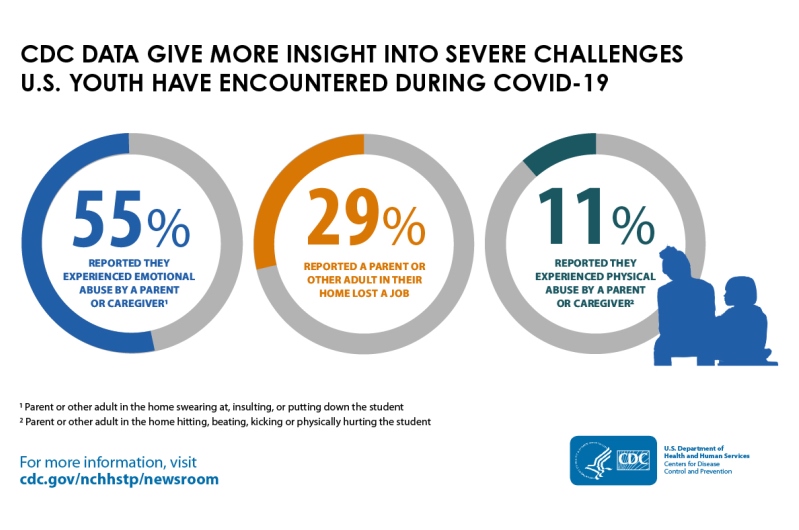
The researchers believe women took the brunt of this pressure. Increased stress added an overlay to increased childcare chores. As did domestic violence, and economic difficulties due to employment disruptions. While teen suicides increased during lingering school closures too.
But the Personal Impact Was Even More Enduring…
The COVID-19 impact on mental health was sometimes deeper when it came to individual resilience. A meta-analysis of just over 200 studies reveals that 32% of people with severe symptoms had longer-lasting fatigue. While 22% may have also experienced the cognitive impairment we colloquially refer to as brain fog.
- Therefore, the researchers suggest we rate mental health as important as physical health, and accept it requires our equal attention.
- Moreover, we need to be more mindful of vulnerable groups. For example adolescents, seniors, and people with poor physical health.
And finally, we need to use our public media better in future. We should harness them to provide concrete, and actionable advice that holds us together next time.
Breaking News
Protein Cocktail Could Cause Long COVID
Vaccinations Reduce Likelihood of Long COVID