I enjoy wearing makeup as much as the next girl. There’s nothing frivolous about someone who paints their lips red, after all, it’s just a form of self-expression. Whatever your opinions are of makeup, it’s important to understand that just like anything we consume, wear, or utilize, makeup too, can leave its own ecological footprint.
Sunscreen is Potentially Killing Coral Reefs:
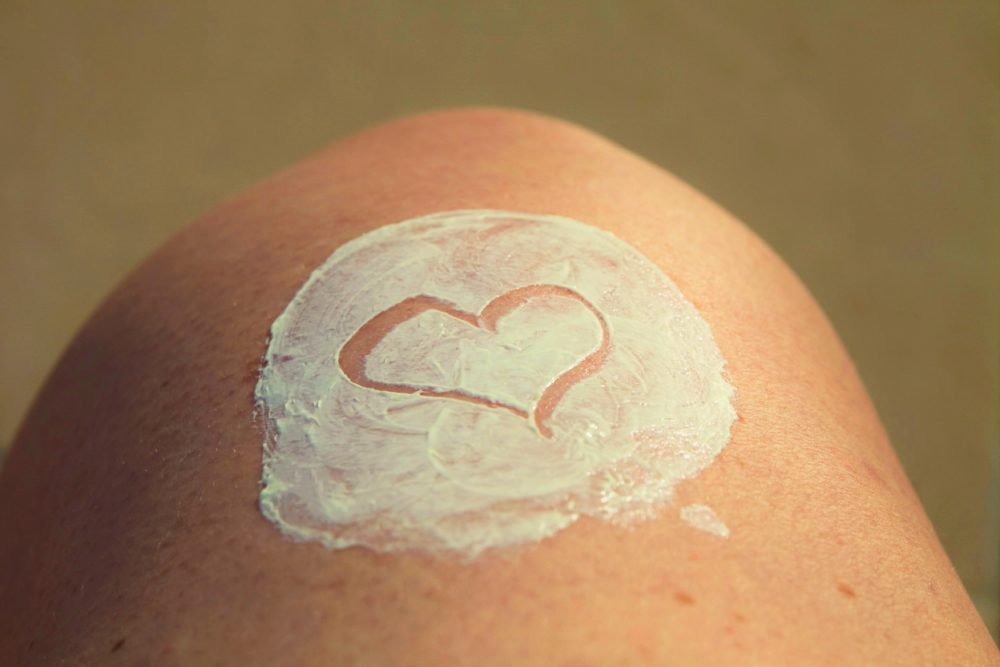
The common chemical ingredient found in sunscreen is oxybenzone, also known as Benzophenone-3. This chemical is responsible for absorbing the UVA and UVB rays, which protects your skin from the harmful rays of the sun. But it’s this precise chemical that’s known to have a profound negative impact on the world’s coral reefs, causing them to bleach.
Coral reefs are exposed to 14,000 tones of sunscreen a year as it is washed off from our bodies and flows into the ocean, or down the drain after a shower. Oxybenzone damages the coral’s DNA and it interferes with the reproduction and growth of young coral. Coral reefs contain the most diverse ecosystems on the planet. They also provide habitat and shelter for various marine species. They are also responsible for generating billions of dollars to local economies who rely on fishing and tourism.
What Can You Do?
You can’t change what you don’t know. You shouldn’t have to feel guilty about protecting your skin against the suns harmful rays, but if you are able and willing to purchase a sunscreen that’s more environmentally friendly opt for one that uses minerals like titanium dioxide and zinc oxide instead.
Wet Wipes Clog the Sewage System:
What’s more convenient than wiping off your makeup after the end of long day? And anyone looking after an infant can attest to the necessity and convenience of a baby wipe. Most of these wipes are made from synthetic fibres that aren’t able to break down and biodegrade. This means that they end up clogging up landfill sites. Since many of these wipes claim to be flushable (which they are), millions of ones that get flushed daily end up blocking the sewage system.
When there is blockage, raw sewage overflows into the rivers and oceans. Once the wipes end up in these bodies of water, the species inhabiting them end up ingesting them, believing that they are food. This kills them, or ends up being washed up on the beaches.
In the UK alone, the number of wet wipes that are washed up on beaches has increased by 50 per cent since 2014.
What Can You Do?
With limited time and in keeping up with the demands of daily life, convenience motivates consumerism. It’s only fair that we want to grab things that can help facilitate quicker and better ways of doing things. If you are able and willing to make a change, opt for disposable wipes that are made from 100 per cent organic cotton, wood pulp, or bamboo. You might also want to purchase reusable wipes that can be composted. These wipes don’t contain synthetic fragrances, chlorine, and are ultimately biodegradable.