‘Each time a virus replicates, it’s an opportunity to mutate’. That’s according to Ben Bimber, research professor at Oregon Health and Science University speaking to NBC News. ‘If there’s more people with infections, there’s simply more virus out there and it has more opportunities to mutate’ he added. He was speaking after the detection of two unique COVID variants in Columbus Ohio.
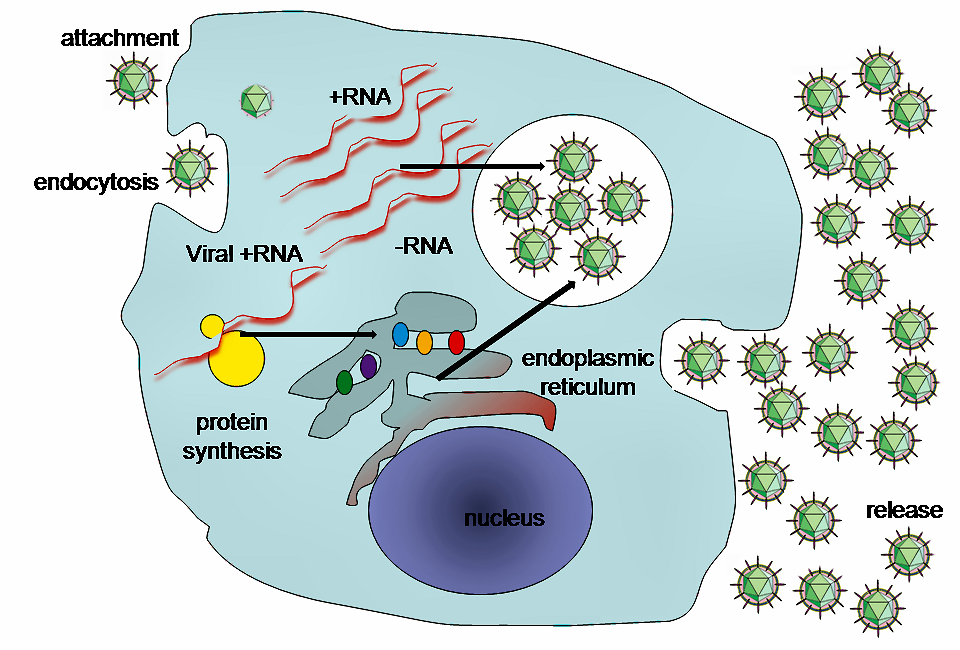
What Happens Inside a Host When a Virus Replicates
It was January 17, 2021, and the virus was spreading at record high rates in United States according to NBC news channel. Then researchers released breaking information concerning two unique COVID variants they just discovered in Columbus, Ohio.
‘When the coronavirus infects an individual, it enters the cells and makes copies of itself,’ Bimber continued. ‘Therefore, every time the virus copies itself, there’s a chance to introduce errors. And furthermore if the virus is replicating in people, it will slowly accumulate mutations.’
But these errors are often meaninglessly irrelevant. However, in some cases they may render the virus more contagious, or more resistant to treatments and vaccines Ben Bimber cautioned.
More About the Unique COVID Variants in Columbus Ohio
We hasten to mention from our perspective that viruses are not malevolent creatures bent on destroying us. That’s because they are simply chemical parasites unable to reproduce, even survive for long outside a host body. Therefore, they would vanish from the face of the earth without our cooperation. And that assistance is unknowingly allowing them to enter our bodies.
We don’t yet know how the two Ohio mutations will affect the path of the pandemic. All we do know is the virus’s unchecked spread across North America increases the possibility of a more deadly version emerging.
‘This won’t be the last one,’ Bimber told NBC News. ‘And there are definitely going to be new variants that emerge in the virus, as it infects more individuals.’
Related
New COVID Strains in South Africa and Brazil
Recombinant Antigens for Mutation N501Y
Preview Image: Life-Cycle of a Typical Virus