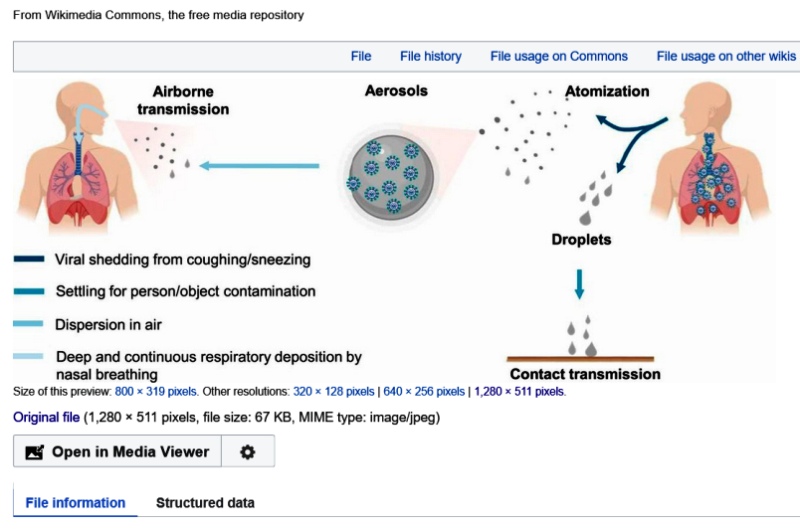
Did you ever wonder why preadolescent kids are less infectious, and decide it’s because they have a smaller viral load? You may need to think again, because they carry similar amounts of virus in their noses and throats as adults do. Your correct answer would be because their smaller lungs emit fewer tiny aerosol droplets.
Although This May Seem Obvious in Hindsight ….
This may seem obvious in hindsight, but it often is in science. After all, research involves discovering what is in nature, and nature is usually logical when we study it. Preadolescent kids are less infectious because they have different-shaped, and smaller lungs and respiratory tracts than adults.
Dr. Mario Fleischer of Charité University Medicine Berlin, and colleagues decided to test the theory. And so they recruited 16 healthy children aged eight to ten, and used a laser particle counter to measure their emissions.
Sure enough, they found the kids had particle emission rates four times lower than adults when breathing, speaking and singing. However shouting, as kids often do increased their emission rates to closer to adults.
Preadolescent Kids Are Less Infectious But ….
There are therefore likely to be fewer tiny aerosol droplets in classrooms, when teachers are present. While these may be airborne for a while, it is possible preadolescent kids may take smaller doses on board. And that helps explain why they are less contagious and commonly display milder symptoms.
Notwithstanding this, the study concludes children should continue with the current risk-management regime. Especially because high vocal loudness is common in everyday lives of children and adolescents, and aerosol emissions could be similar to adults under those conditions.
The researchers therefore recommend further studies before schools react to their findings. In the interim they recommend continuing with social distancing, and quality classroom ventilation. Kids being kids we need to continue protecting them.
Breaking News
AstraZeneca Vaccine Blood Clot Risk Minimal
The UK Enters a Different COVID World