In order to be sustainable, any power resource should be able to generate more energy than it consumes. This is also true for renewable energy sources such as wind and solar. Renewable energy sources require high financial and energetic cost to build. Utilities need to recover those costs for them to continue to run for a long time.
Thanks to the rapid growth of renewable energy sources industry, green energy can reliably provide energy in the near future. This immense growth has led industry experts to test new technologies that could store surplus energy and deliver it when needed.
A study made by Stanford scientists revealed that wind can produce ample power to be economically sustainable. Wind farms now produce enough energy to cover all of the energy needed to build them and develop new grid-scale energy storage.
Since sources for renewable energy are intermittent, the next big step is developing efficient energy storage technologies. Currently, the study revealed that there is enough surplus wind energy to support 72 hours of energy storage; that is, the system can continue working through 72 hours of no-wind.
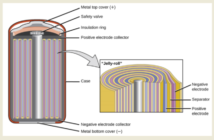
The Stanford scientists looked at various storage technologies, which include batteries and geologic systems.
Related Articles: