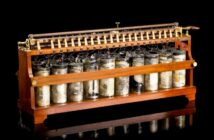
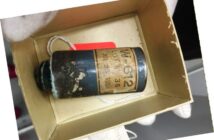
We came across a rare handbook that the Association of Edison Illuminating Companies published in 1914. This manual describes the operating principles and maintenance of early Edison NiFe batteries. The level of detail astounded us, until we realized this would have been new technology for many readers in those barnstorming early days of portable energy storage,
Electrodes and Electrolyte in Edison NiFe Batteries
The manual (see link below) describes the vehicle storage battery electrodes as ‘a number of (positive) tubes and (negative) pockets’ containing the active material. These mounted ‘in a supporting and conducting nickel plate skeleton frame or grid. And were in good contact therewith to provide conductivity for the electric current.’
THE POSITIVE PLATES
The positive plates of the batteries, the manual continues were a form of nickel hydrate. The ‘tube retainers were very thin nickel plate steel ribbon, with fine perforations and each about 4” long’. Nickel hydrate and pure flake nickel pressed into these in very thin, alternate layers, such that each tube contained 350 of them. The nickel flakes ensured ‘proper conductivity’ with the tubes.
THE NEGATIVE PLATES
The negative active material was iron oxide. The manual describes the retainer pockets as ‘very thin, finely perforated nickel plate steel’. And of ‘rectangular shape ½” wide, 3” long, and 1/8” maximum thickness. The finely-powdered iron oxide pressed tightly into these, following which they mounted on the grids. The pockets were ‘pressed in close contact with the grids too, such that their sides were in spring contact with the active material’.

THE ELECTROLYTE AND SEPARATORS
The electrolyte for the Edison NiFe batteries was a 21% solution of potassium hydroxide, with ‘a very small percentage’ of lithium hydrate. While the separators were hard rubber of various shapes and sizes. These separated the plates from each other, and from the inside of the ‘jars’ which were the battery cases.
More Information
Thomas Edison’s Nickel-Iron Batteries
Waldemar Jungner Invents NiCad Battery