Batteries appear to be approaching their limits, in terms of the energy they store per unit of weight. Even the best batteries can’t fly high, because their power to weight ratio is inadequate for more than small airplanes. Scientists at Massachusetts Institute of Technology may have overturned that theory, with a new fuel cell for aviation purposes.
Aviation Fuel Cell Beyond the Reach of Any Battery
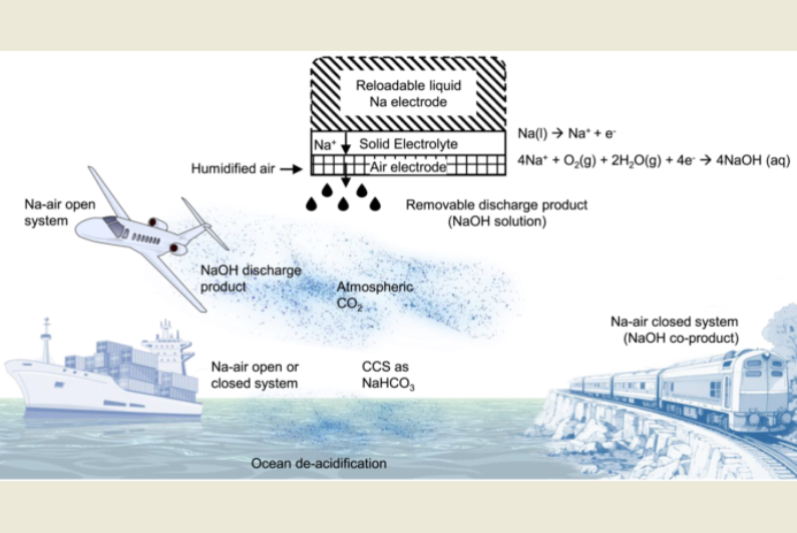
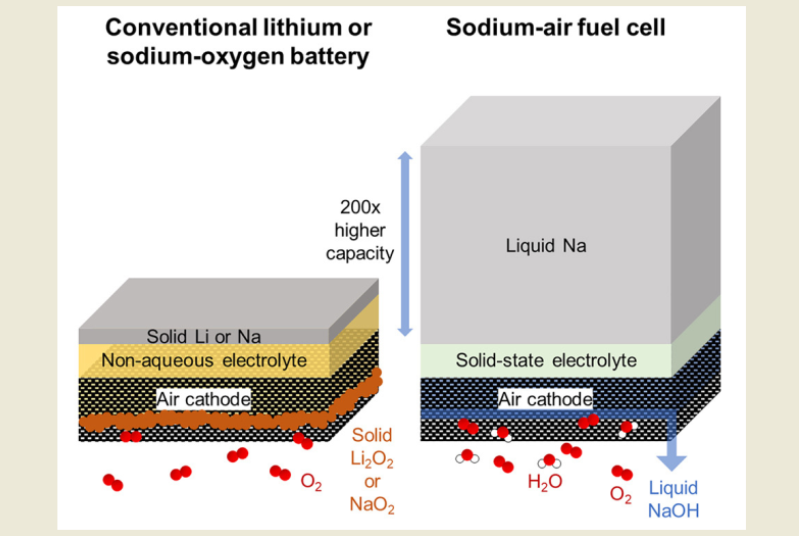
The prototype MIT fuel cell can be refueled quickly, unlike the time it takes to charge a battery. The fuel itself is widely available, inexpensive, liquid sodium metal, which has many applications in manufacturing and chemistry.
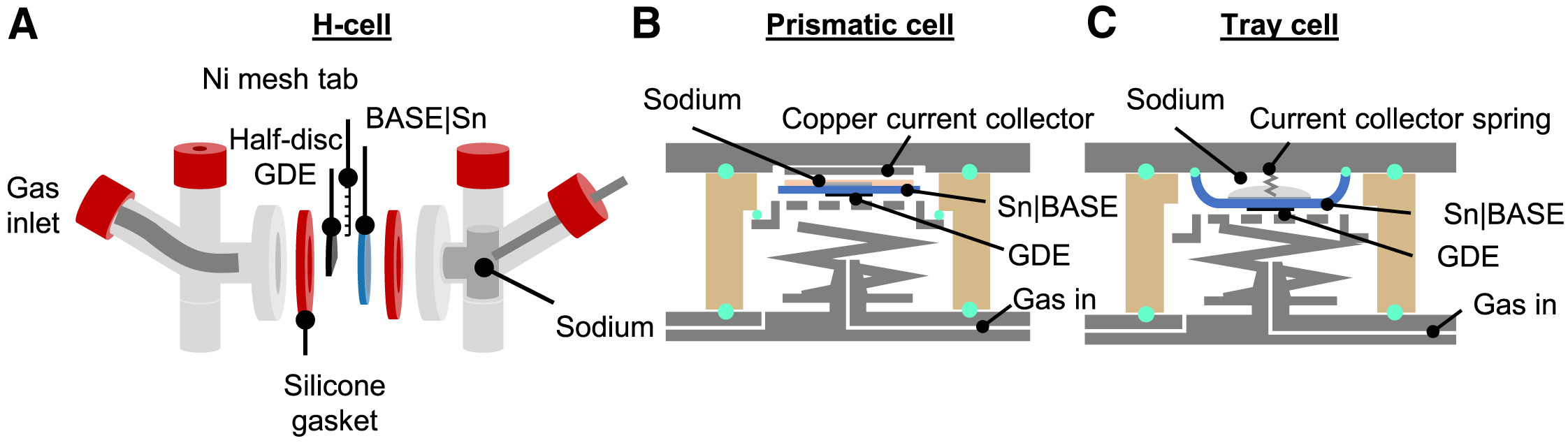
The other side of the potential new fuel cell for aviation, is the air which provides oxygen atoms for the device. There are also a pair of electrodes, between the liquid sodium metal and fresh air.
A solid ceramic material allows sodium ions to flow freely between the electrodes. While the porous air-facing electrode on the opposite side, allows the sodium to chemically react with oxygen, and produce electricity.
When the Massachusetts Institute of Technology scientists tested their prototype device, they found it produced 1,000 watt-hours per kilogram. This can be as much as three times the amount of energy of lithium-ion batteries, as used in electric vehicles.
Fuel Cells are Large – Is This a Crazy Idea for Aviation?
“We expect people to think that this is a totally crazy idea,” remarks the MIT Kyocera Professor of Ceramics. “If they didn’t, I’d be a bit disappointed. Because if people don’t think something is totally crazy at first, it probably isn’t going to be that revolutionary.”
He likely has a point, because weight is critical in aviation, and air only weighs 1.225 kg per cubic meter. Therefore, in theory at least, this new fuel cell for aviation could be a breakthrough for electric passenger flight.
“The threshold that you really need for realistic electric aviation, is about 1,000 watt-hours per kilogram,” Chiang continues. Today’s electric vehicle lithium-ion batteries top out at about 300 watt-hours per kilogram – nowhere near what’s needed.”
The MIT fuel cell could be adequate for regional electric aviation, where lithium batteries might otherwise fill the entire passenger cabin. About 80 percent of passenger flights are domestic ones, and these contribute 30% of emissions from aviation. This sounds like it could be a good start!
More Information
Alkaline Fuel Cells with Cheaper Membranes
Hydrogen Fuel Cell Basics How They Work
Preview Image: Sodium-Air Fuel Cell Ecosystem