Sourcing electricity has always been an issue in Australia’s vast remote, sparsely populated northern area. The daytime temperature regularly exceeds 104 °F / 40 °C. And that’s not healthy for lithium-ion and lead-acid batteries in home storage applications, especially with global warming looming. Meanwhile in the background Prof Thomas Maschmeyer is coming closer to a battery fit for the sweltering Australian outback.
More About the Prof’s Modified Zinc Bromide Battery
Prof Maschmeyer is a chemist at University of Sydney. The Australian Academy of Science awarded him the 2021 David Craig Medal for outstanding contributions to chemical research. This acknowledged the significance of a battery fit for the sweltering Australian outback.
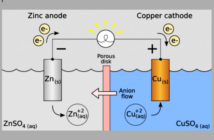
Regular zinc bromide batteries use an aqueous zinc bromide electrolyte to control the reaction between zinc metal and bromine. However, the Prof’s version uses a gel electrolyte which is neither liquid not solid. This means the ions can move faster during recharging. This solution is cheaper than lithium-ion. Moreover the gel is fire retardant!
The Battery Fit for Sweltering Australian Outback Conditions
Chemical and Engineering News explains the gel-electrolyte version delivers a hardier, safer, and more heat-tolerant battery. The market clearly agrees. Prof Thomas Maschmeyer launched his company Gelion on the London Stock Exchange a couple months ago. The total share value is now approximately $164 million.
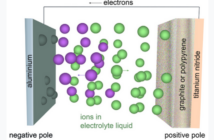
Regular batteries have two electrodes between which electrons shuttle during charging and recharging. This process triggers a local charge imbalance which diminishes the battery’s driving force according to the prof. However his battery is different.
The difference lies in the composition of the gel electrolyte. It contains chloride, sodium, and potassium, but also zinc metal and bromine which is the secret sauce. The target market is stationery energy storage. Pilot production will begin shortly in a lead-acid battery factory, because the design is compatible with the production line there.
Related Posts
A Calcium Battery Could Create a Big Stir
Could Zinc-Based Batteries Next-Best Lithium?
Preview Image: A View Across Australian Outback
Article in Chemical and Engineering News