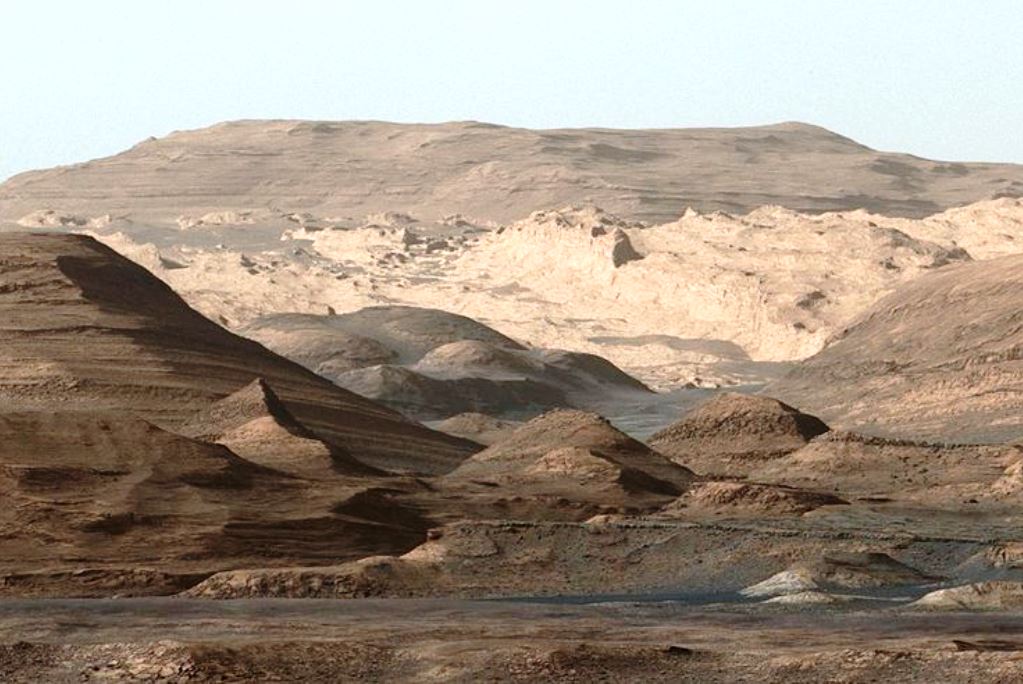
American astrophysicist Neil deGrasse Tyson said, “It’s now bone dry. Something bad happened on Mars. I want to know what happened on Mars so that we may prevent it from happening here on Earth.” Thus research into carbon Curiosity Rover found on Mars, could be mankind’s greatest task. Now fresh research from the Carnegie Institution for Science suggests Mars’ natural batteries may have caused it.
Curiosity Rover Discovers Organic Building Blocks of Life
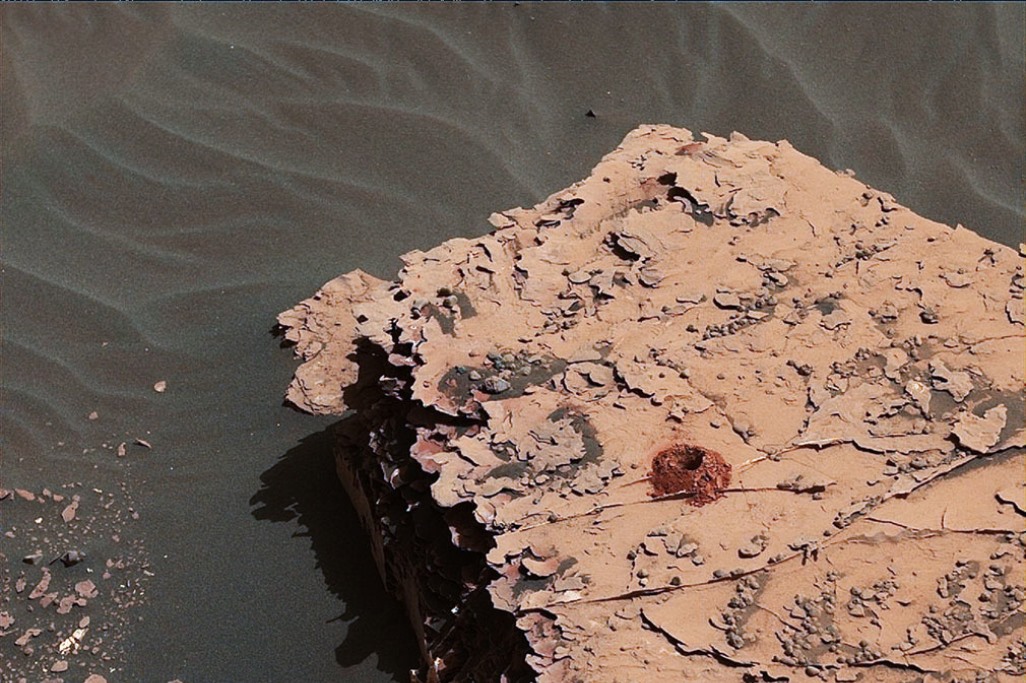
If there were once life on Mars as we know it, then we should find traces of carbon compounds there. Except that incoming ultraviolet radiation through a thinner atmosphere would have destroyed them. Therefore scientists were at peace when they found no carbon traces there.
However, their illusion shattered on June 7, 2018 when Curiosity Rover discovered organic carbon on Mars. Science has long held carbon to be one of the organic building blocks of life. Therefore, this re-energized the search for life on Mars, especially since the samples came from mudstone rocks in the Gale Crater. This was once a Martian lake a billion years ago. The Earth paradigm suggests there could have been abundant life there.
Search for Organic Compounds Reveals Mars’ Natural Batteries
However, the Carnegie Institution for Science report takes a different slant. Their scientists found similarities between Curiosity Rover’s discovery, and three Martian meteorites that landed on earth after an asteroid struck Mars. All four contained similar organic carbon associated with fluid mineral reactions.
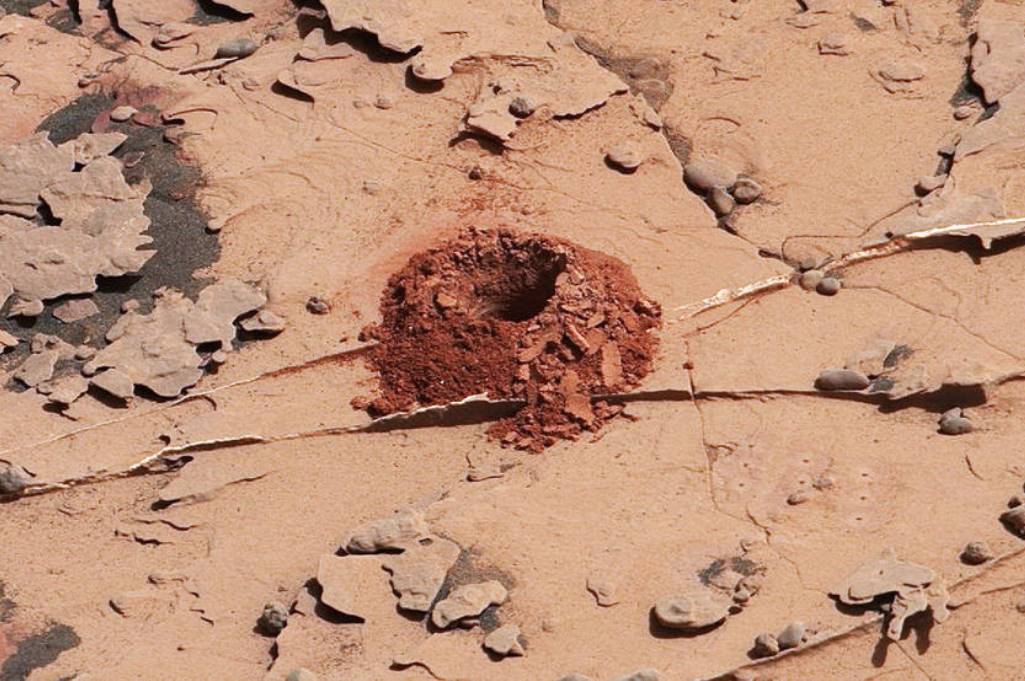
When the scientists tested the samples using microscopy and spectroscopy techniques, they discovered something really interesting. They concluded the organic traces “were likely created by electrochemical corrosion of minerals in Martian rocks by surrounding salty liquid brine.” This is the origin of their reference to Mars natural batteries.
“Natural systems can essentially form a small corrosion-powered battery that drives electrochemical reactions between minerals and surrounding liquid. Therefore this has major implications for the astrobiology field” they say.
Related
Climate Change Part 18: 6 Billion Tons of Carbon 1990
Old Man Rover Keeps Rolling Along
Preview Image: Mount Sharp from Within Gale Crater
Source: Earth Sky