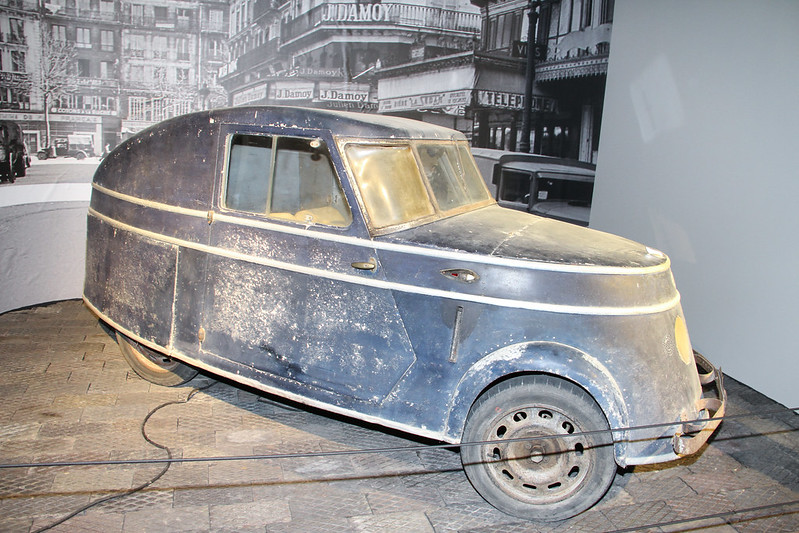
Necessity some say, is the mother of invention. Certainly many great artists produce their finest work when they are hungry. The global warming crisis is forcing us to adopt alternative energy. The Bréguet Electric Car came out of France during the Nazi occupation.
When occupying forces told a French company to stop doing what they did well, they switched on their inventive minds. And produced something totally different so they could continue paying their people wages.
Birth of the Bréguet Electric Car
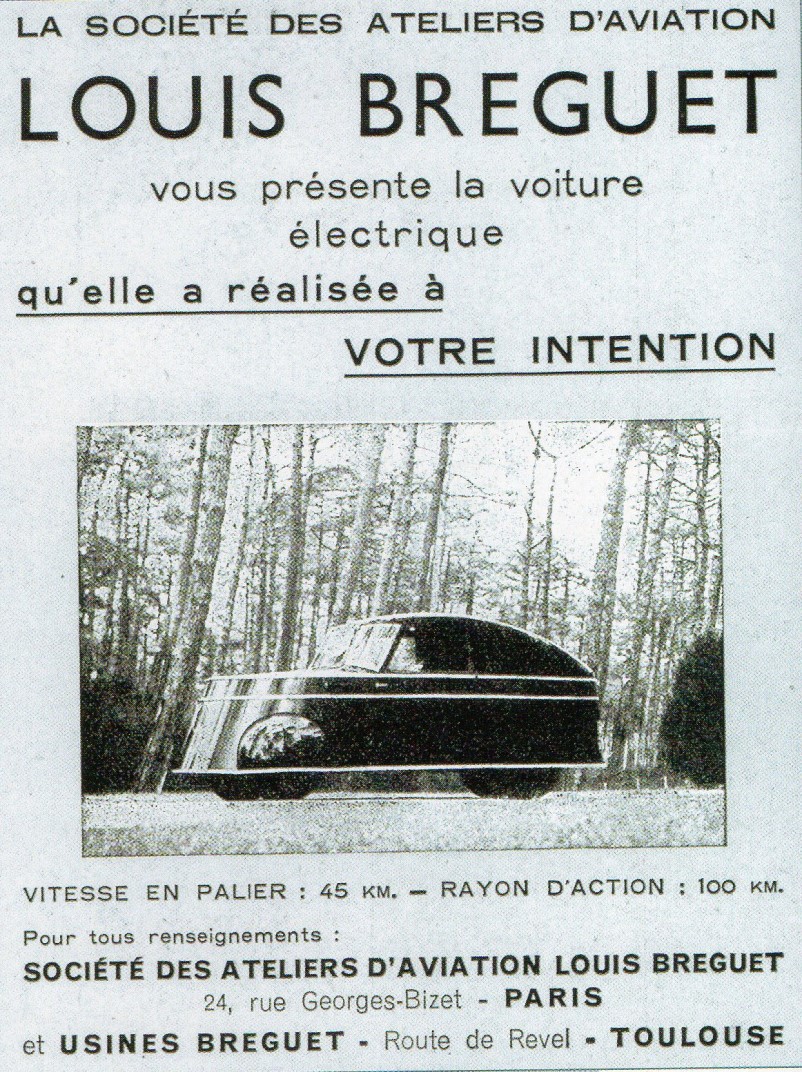
Société des Ateliers d’Aviation Louis Bréguet AKA Bréguet Aviation was a military aircraft manufacturer. When the Nazis ordered them to stop making these, their first thought was to make automobiles instead. But there was just one problem. The Nazis had outlawed the sale of gasoline, and so they had to think again.
However, the manufacturer of The Bréguet Electric Car had built luxury 6-cylinder cars before World War One. Although they had not sold well, they did have a shadow of experience. And so they decided to build a simple electric car with a central tube chassis supporting an electric motor.
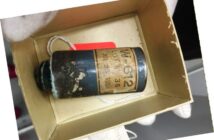
Then they cobbled a somewhat outlandish body onto outriggers, with a tail reminiscent of an airplane. The automotive power came from 6 batteries delivering 72 volts. The claimed driving range was 40 miles, with a battery-draining top speed of 25 miles-per-hour. Total sales were less than 200, but with a war on beggars could not afford to be choosers.
The Technology Behind the Strange Beast
The Bréguet Electric Car motor was an off-the-shelf purchase, receiving power from the six batteries. There were two basic driving modes, namely reverse and first gear, both requiring 36 volts. However, doubling up the power activated a ‘second gear’, at which stage the driving range reduced considerably.
While we can’t say their effort added much value to the future of electric transport, it did at least keep some people in their jobs. The moral of the story is perhaps to keep doing what we do well, whenever fate allows it. And as for the rest, never to give up on our dreams.
More Information
Milk Floats Keep Electric Transport Alive