We decided it was time for a refresher overview of volts amps and watt-hours. They appear so often on websites that it is easy to skim over them without really appreciating what they do. In our world of batteries the terms describe the power that their cells hold, and what we can do with that energy. Although many consumers have little or no idea that the concepts exist.
More About Volts Amps and Watt-Hours
Matching Voltage To A Device
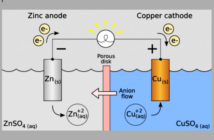
A voltage reading on a multi-meter is the electric potential between the two test probes. This is the power that a battery has available to push its energy through a circuit. Note that these two terms are not the same though. This is why we use the term ‘potential’.
Individual battery cells are too small to compete with electricity grids, and power stations. This is why their voltage is in a narrower span between 1.5 and 48 volts. It is very important to match a device with the correct-voltage battery:
- A voltage that is too low is insufficient for the device to work properly.
- A voltage that is too high can damage the circuits inside the device.
Amps Must Match A Device Too
Amperage, or amps for short, is the amount of electricity actually flowing through a device at a moment in time. This measure is an indicator of the power in the battery, and there are two more ways we can express it:
- Milliamps, or thousandths of amps, are the usual measure when we are rating small electronic devices.
- Amp-hours are the amount of amps a battery could deliver within a time period, in this case a single hour.
Watt-Hours Are For Comparing Batteries
Watts are the product of multiplying amps by volts. Hence they are a useful composite measure of a battery’s performance. Watt-hours are how many watts a battery could deliver within a time period, in this case a single hour. This is a good way to compare different batteries.
More Information
Overall Battery Potential Determines Voltage